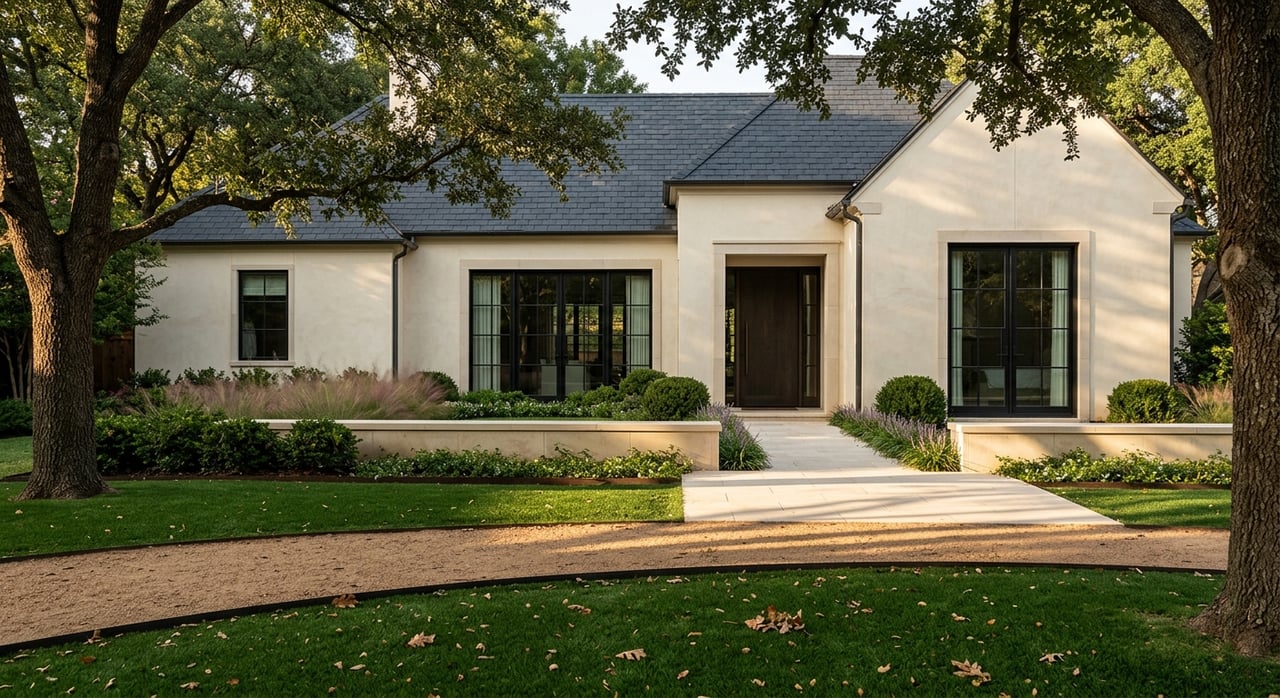
If you are looking for a Dallas neighborhood that feels shaped by landscape as much as by architecture, Greenway Parks stands apart. You may be drawn to central convenience but still want a setting that feels calm, distinctive, and intentionally designed. In Greenway Parks, the shared greenways, preserved streetscape, and varied historic homes create a lifestyle that is hard to duplicate in a typical inner-city neighborhood. Let’s take a closer look.
What makes Greenway Parks unique
Greenway Parks is a 150-acre neighborhood in Dallas that was designed in 1927 by David R. Williams. It is widely described by the neighborhood association and Dallas preservation sources as the city’s first pedestrian-oriented neighborhood, planned around shared greenways in an English-commons and Garden City tradition.
The neighborhood sits about 3 to 4 miles north of downtown Dallas. Its boundaries are generally University Boulevard to the north, Mockingbird Lane to the south, the Dallas North Tollway to the east, and Inwood Road and Inwood Drive to the west.
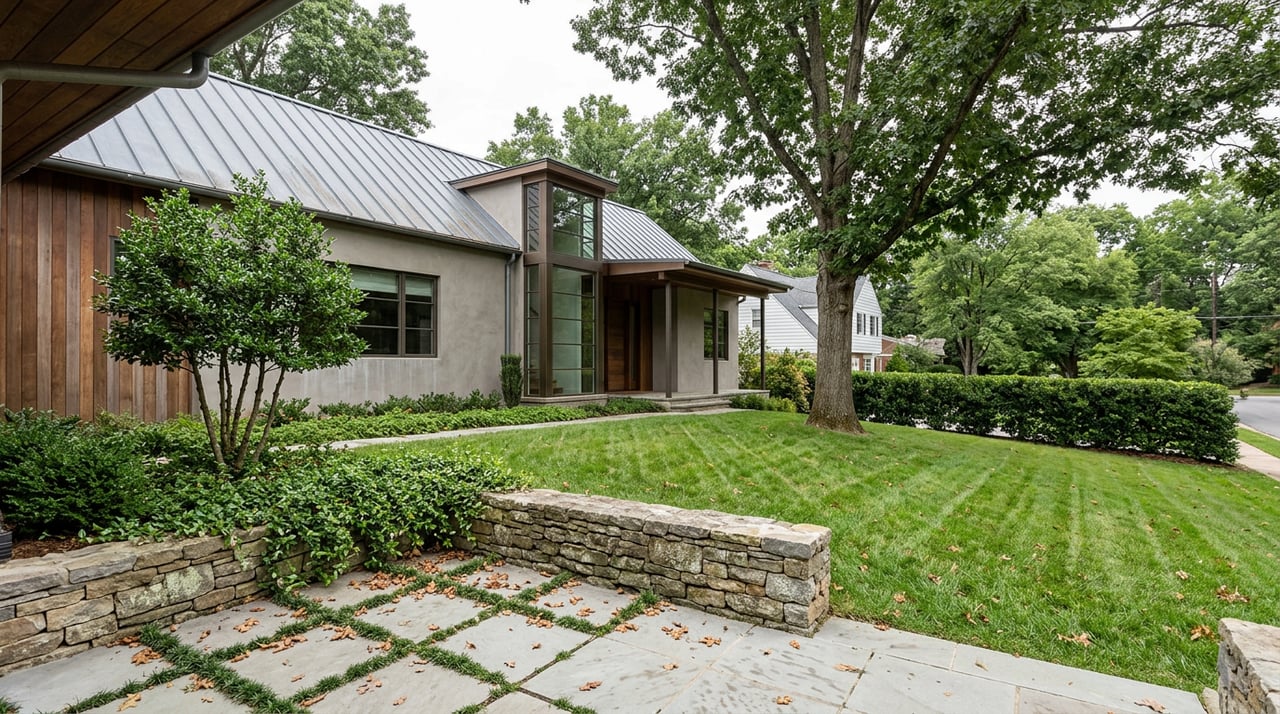
What makes that planning feel different when you are there is how the homes, streets, and open spaces work together. Greenway Parks was not built as a standard subdivision with leftover park space. It was planned as a residential landscape where shared green space is part of daily life.
How the greenways shape daily life
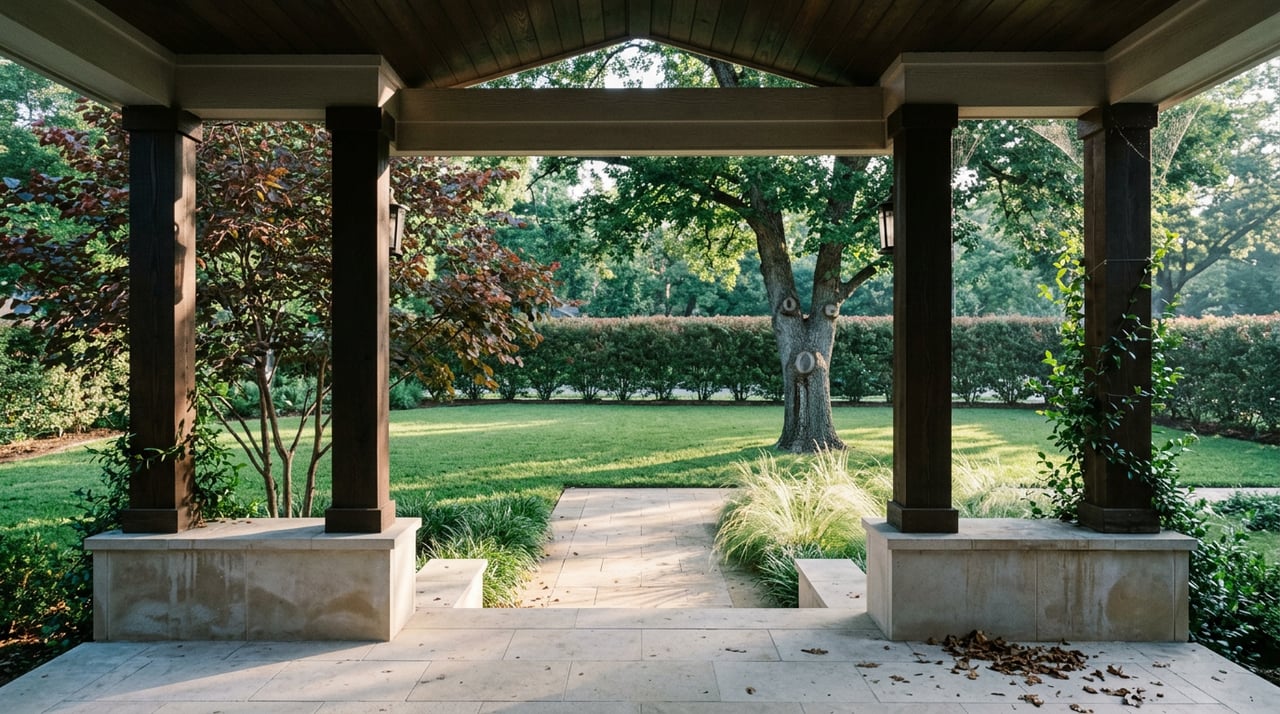
The greenways are the heart of Greenway Parks. Dallas historic-district materials note that the neighborhood includes more than 23 acres of parkland or open space, including triangular parks and a system of commonly owned greenways between homes.
The homeowners association describes a central boulevard, two triangular neighborhood parks, and eight broad greenbelts running east to west through the neighborhood. These open spaces are used for recreation, neighborhood events, and everyday socializing.
For you as a buyer, that means the green space is not just visual. It affects how the neighborhood feels, how homes relate to one another, and how residents use the area day to day.
A more park-like neighborhood setting
Many homes in Greenway Parks front both the street and the greenway. That creates a setting that feels more open and internally connected than a typical street-grid neighborhood.
Small signature spaces also reinforce that character. Historic triangular park spaces near the Mockingbird entrances and areas like Stemmons Park help give the neighborhood a distinct, park-like identity.
Shared spaces, not public parks
One common question is whether the greenways are public parks. In most cases, they are not. They function as commonly owned, HOA-maintained open spaces that shape the setting and support recreation and neighborhood gatherings.
That distinction matters because it helps explain why the neighborhood feels so cohesive. The landscape is maintained as part of the neighborhood itself rather than as separate city parkland.
Architecture in Greenway Parks
Greenway Parks is architecturally varied, but it still feels visually consistent. According to the National Register nomination, most homes date from the late 1920s through the 1950s, and many are two-story period-revival houses built in brick with gable or side-gabled roofs.
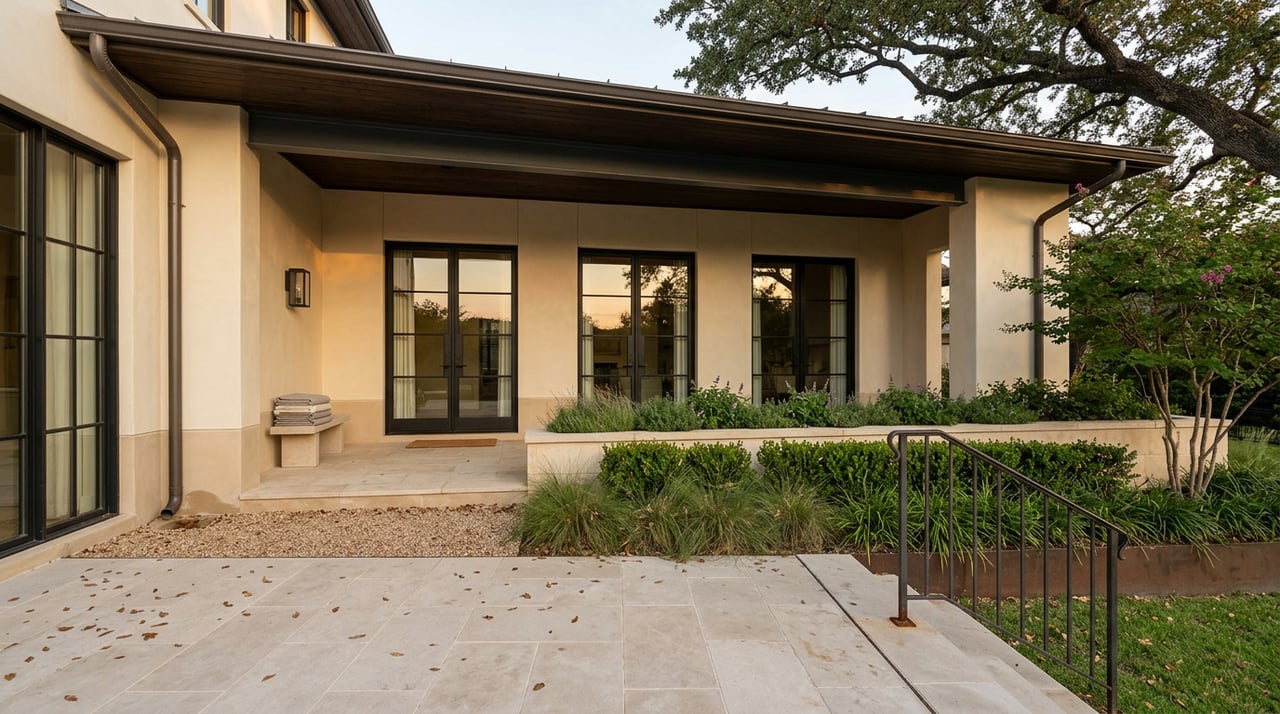
The earliest homes were often Tudor Revival, but you will also find Spanish Eclectic, Colonial Revival, French Eclectic, and Italian Renaissance influences. Postwar years brought more Colonial Revival and Ranch homes, and the neighborhood also includes contemporary mid-century homes and later compatible infill.
That mix is part of the appeal. If you appreciate design and architectural character, Greenway Parks offers variety without feeling scattered.
Design history still matters here
Preservation Dallas and city historic materials identify notable architects connected to the neighborhood, including O’Neil Ford, Howard Meyer, and Charles Dilbeck. That architectural pedigree gives Greenway Parks another layer of significance beyond simple location.
For design-minded buyers, this can be especially compelling. You are not just buying into a convenient Dallas address. You are buying into a neighborhood with a strong design legacy and a clearly defined visual identity.
Why preservation plays a big role
Greenway Parks is a National Register-listed historic district, with that listing dated January 10, 2008. The City of Dallas also designated it as a conservation district in 2003.
Those designations are important because they help protect the neighborhood’s established character. Dallas conservation-district documents show that the overlay was created to manage massing and keep new construction compatible with the neighborhood’s original scale and pattern.
What conservation rules affect
The ordinance focuses on elements such as setbacks, height, fencing, and how a house relates to the street edge. Historic materials also note that garages do not face the greenway and that driveway access comes from the street.
In practical terms, that means change is possible, but it is shaped by rules intended to preserve continuity. For buyers and sellers alike, this helps explain why Greenway Parks has remained cohesive even as homes from different decades exist side by side.
Is new construction allowed?
Yes, new construction is allowed. However, it must remain compatible with the established neighborhood pattern under the conservation district rules.
If you are considering a purchase here, that context matters. It can affect how you evaluate renovation potential, future additions, and long-term neighborhood character.
What everyday convenience looks like
Greenway Parks is residential in feel, but it is still close to everyday Dallas conveniences. Rather than having commercial activity inside the neighborhood, residents typically rely on nearby shopping and dining areas.
Inwood Village is one of the closest and most recognizable options. Operating since 1945, it is known for its historic art-deco architecture and mix of local boutiques, restaurants, and a theater, with current tenants that include Trader Joe’s, Empire Baking Co., Mesero, Flower Child, Doughbird, Asian Mint, Starbucks, PopUp Bagels, and Van Leeuwen Ice Cream.
NorthPark Center is the larger regional option, with more than 200 stores and restaurants along with art and landscaped public spaces. Preston Center is another nearby hub, described in Dallas planning materials as a former suburban retail center that evolved into a major office submarket with neighborhood-serving retail and dining.
A central Dallas lifestyle with a different feel
This balance is one of Greenway Parks’ strongest selling points. You get access to central Dallas shopping, dining, and daily errands while living in a neighborhood that feels more internally green and more intentionally designed than many nearby areas.
For some buyers, that combination is exactly the draw. You are close to the city, but the neighborhood experience itself feels quieter, more preserved, and more landscape-driven.
Who Greenway Parks may suit best
Greenway Parks tends to appeal to buyers who want more than a convenient address. It often fits those who value architectural character, preserved surroundings, and a neighborhood setting that feels established rather than generic.
It can also be a strong match if you want central Dallas access without giving up visual charm and open-space identity. The neighborhood is relatively small, with about 300 households, and the homeowners association describes it as active and socially oriented, with neighborhood activities throughout the year.
Residents also often move within the neighborhood as their needs change. That says a lot about long-term appeal and the sense of connection many people feel here.
What to keep in mind as a buyer
If Greenway Parks is on your shortlist, it helps to look beyond square footage and finish level. In a neighborhood like this, the relationship between the house, the greenway, the street, and the conservation rules can be just as important as the floor plan.
You may also want to pay attention to architectural style, lot orientation, and how updates fit with the surrounding streetscape. In a preserved neighborhood, context matters.
For buyers who care about design, setting, and long-term character, that is often part of the value. A well-guided search can help you weigh not just the home itself, but how it lives within Greenway Parks as a whole.
If you are considering a move in Greenway Parks or nearby central Dallas neighborhoods, working with an advisor who understands both design and neighborhood context can make the process much more informed. Adrienne Brown offers thoughtful guidance for buyers and sellers who want a polished, local, and highly personal real estate experience.
FAQs
What is Greenway Parks in Dallas known for?
- Greenway Parks is known for its 1927 planning, shared greenways, more than 23 acres of open space, and its reputation as Dallas’s first pedestrian-oriented neighborhood.
Are the greenways in Greenway Parks public?
- Mostly no. The greenways generally function as commonly owned, HOA-maintained open spaces rather than public parks.
What types of homes are in Greenway Parks?
- The neighborhood includes Tudor Revival, Spanish Eclectic, Colonial Revival, French Eclectic, Italian Renaissance, Ranch, mid-century, and later compatible infill homes.
Can you build a new home in Greenway Parks?
- Yes, but new construction must follow Dallas conservation district rules related to compatibility, including height, massing, setbacks, fencing, and garage placement.
How close is Greenway Parks to shopping and dining?
- Greenway Parks is close to major Dallas retail and dining areas, including Inwood Village, NorthPark Center, and Preston Center.
What does daily life in Greenway Parks feel like?
- Daily life is often described as quiet, park-like, and socially connected, with shared open spaces, neighborhood events, and a strong homeowners association presence.