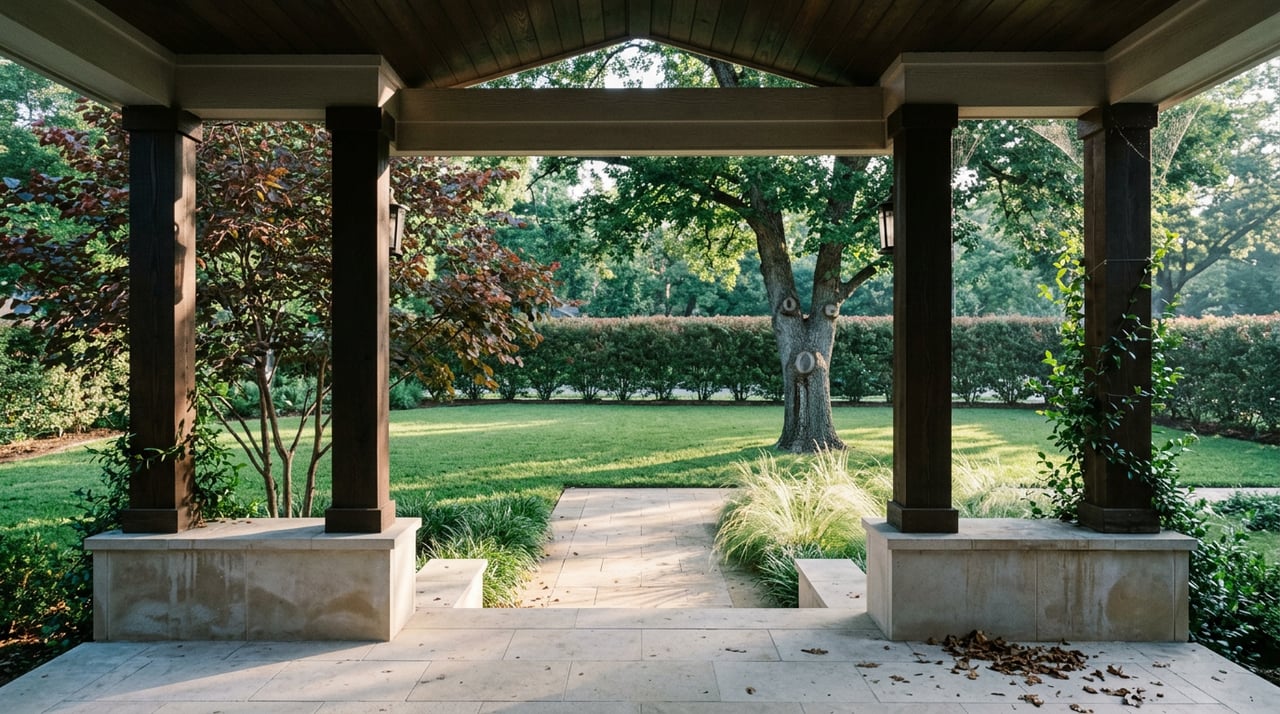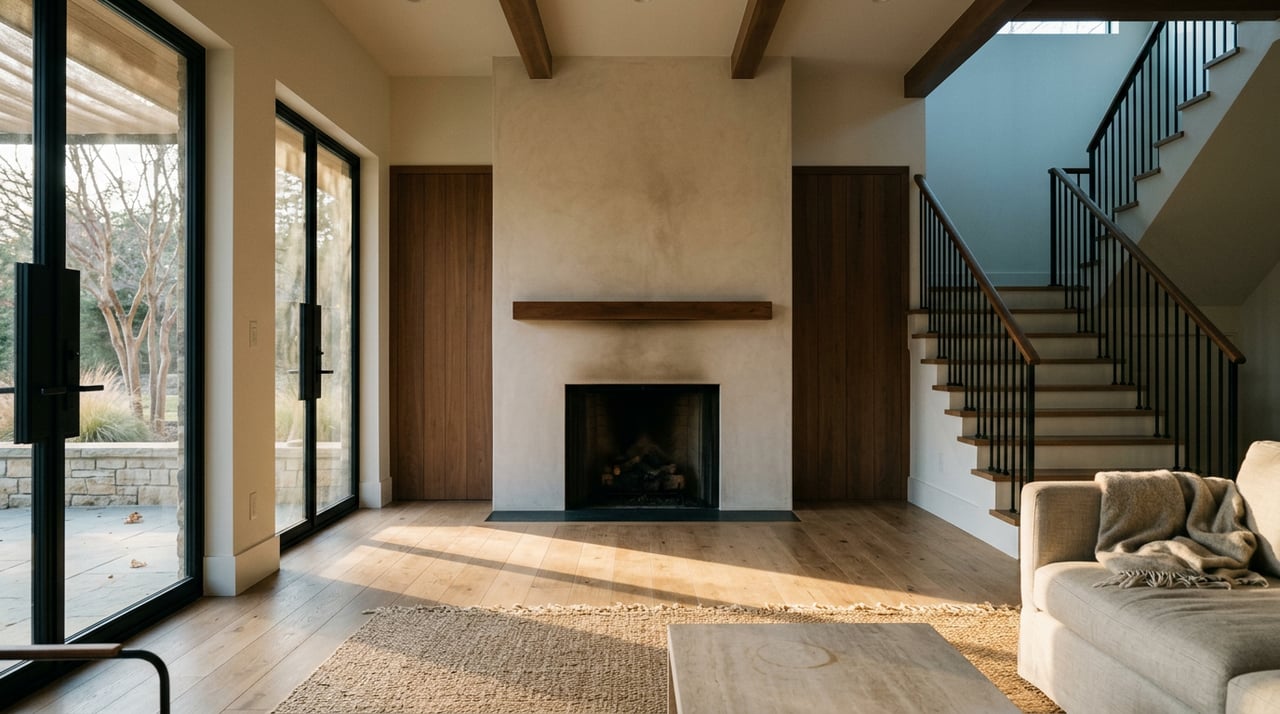
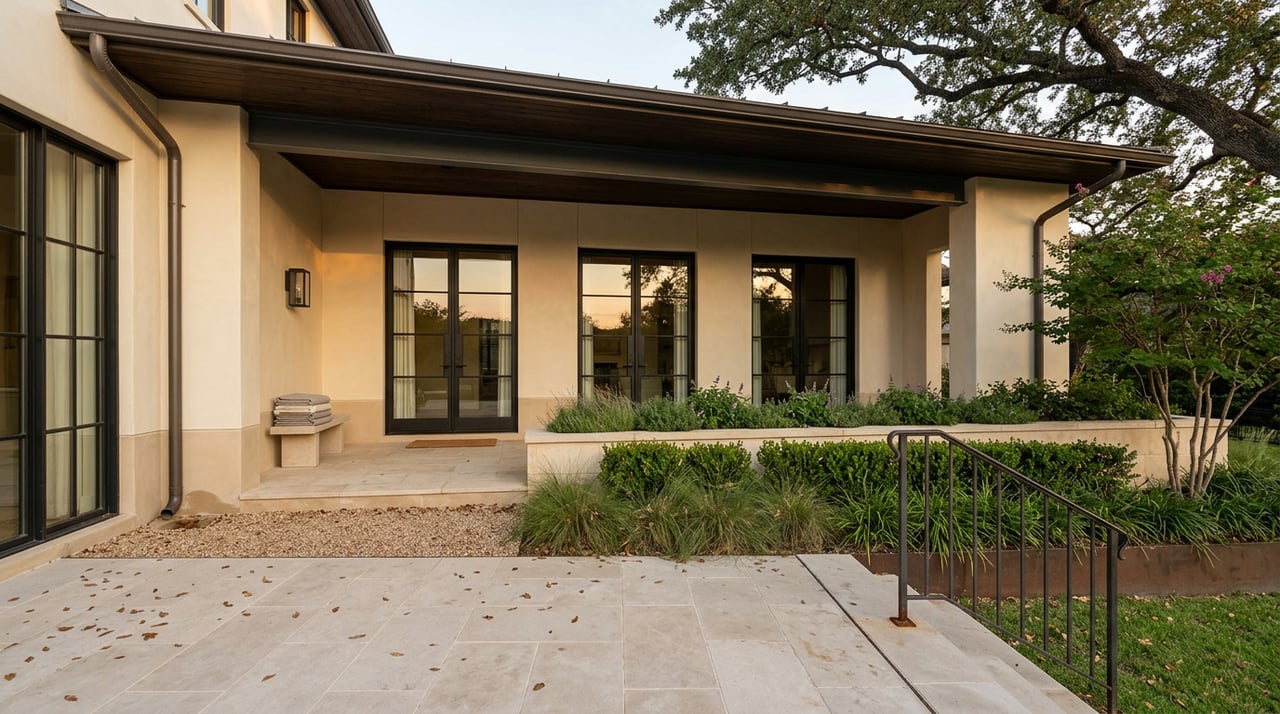
For three years, the loudest real estate conversation in Lakewood was about teardowns. Neighbors circulated petitions. Council members took hours of public comment. In February 2025, the Dallas City Council voted unanimously to expand the Lakewood Conservation District, adding streets like Lakewood Boulevard, Lakeshore, Avalon, Tokalon, and Westlake to a boundary that had protected only 323 homes in Country Club Estates since 1988. If you read the coverage, you'd assume the conservation district is now the thing standing between a Lakewood buyer or seller and a smooth closing.
It isn't. Not for the repair that actually shows up most often on a Lakewood inspection report. The mechanism that determines what a seller discloses, and when, sits in a completely different piece of Texas law, and it has nothing to do with the ordinance everyone spent three years arguing over.
Fourteen Meetings, One Boundary Line
The fight itself is worth understanding, because it tells you something about how this neighborhood actually protects its housing stock. When developers Albert Dines and Lee R. Kraft platted Country Club Estates in the 1920s, and when architect Clifford D. Hutsell went on to design roughly 50 Spanish Revival homes scattered through the neighborhood, none of that early construction fell inside a legal boundary. The original 1988 conservation district only covered the Country Club Estates section. Everything else, including most of the Hutsell homes, sat outside it.
That gap started to matter as land values climbed. Lakewood resident Summer Loveland, who lives in a Hutsell home herself, helped launch the expansion push in 2022 after tracking a wave of demolitions. By the time the city council voted in early 2025, longtime resident Kim Edge testified that 34 homes had been torn down during her 30 years in the neighborhood, including eight built by Dines and Kraft and two by Hutsell. The expansion passed with an amendment that removed a few contested blocks, but the core boundary held.
If you're buying or selling a Lakewood home built before 1959, the first practical question isn't whether the conservation district exists. It's whether your specific parcel falls inside the boundary, since coverage still varies block by block even after the expansion. That's a five-minute check against the city's own zoning map, not a reason to delay an offer.
What A 1945 House Actually Tells An Inspector
Here's the number that matters more than the ordinance. City planning materials prepared for the conservation district expansion cite an average Lakewood home age of 1945, with most construction falling between 1924 and 1959. A house that age was almost certainly built on a pier-and-beam foundation, and its original drain lines were very likely cast iron.
That combination produces a predictable inspection pattern. Pier-and-beam foundations move with North Texas clay soil, which shrinks and swells hard enough through seasonal drought and rain cycles that industry guides put typical Dallas-Fort Worth foundation repair costs between $4,000 and $15,000, with severe cases running past $25,000. Pier underpinning itself typically runs $300 to $500 per pier, and most affected homes need somewhere between 10 and 30 piers depending on how much movement has occurred.
The plumbing side follows the same math. Cast iron sewer lines installed in Dallas homes before 1980 are now 45 to 75 years old, well past their expected service life, and root intrusion from mature trees is a documented issue in Lakewood specifically, where live oaks and pecans send roots deep into aging pipe. A camera inspection to assess condition runs $200 to $450. Full replacement, depending on whether a contractor uses trenchless lining or under-slab tunneling, typically lands between $10,000 and $30,000.
None of this is unique to Lakewood. What's unique is how concentrated it is, because the neighborhood's housing stock clusters so tightly around that 1945 build date.
| Common finding | Typical cost range |
|---|---|
| Camera inspection, cast iron sewer line | $200 to $450 |
| Full cast iron line replacement | $10,000 to $30,000 |
| Pier underpinning, per pier (10 to 30 piers typical) | $300 to $500 |
| Full foundation repair, moderate to severe | $4,000 to $25,000+ |
Why The Conservation Rules Barely Touch Any Of This
This is where the assumption breaks down. A Certificate of Appropriateness, the approval a homeowner needs before making exterior changes in a Dallas historic district, is required for essentially all street-visible work in a landmark district. But Lakewood's designation is a conservation district, not a landmark district, and conservation districts work differently. Reviews happen at the staff level rather than through the full Landmark Commission, and the city completed roughly 1,600 of these reviews across all Dallas conservation districts in 2022 alone, a volume that suggests routine approval rather than routine obstruction.
More to the point, foundation and drainage repair generally happens below grade or behind the existing building line, which means it rarely triggers the same review a new porch, a window swap, or a roofline change would. The two most expensive things an inspector is likely to find in a Lakewood house, the foundation and the sewer line, sit almost entirely outside what the conservation district was built to regulate. The ordinance protects facades. It has very little jurisdiction over what's happening in the crawl space.
The Actual Decision Point: When You Learn What You Know
So if the conservation district isn't the friction point, what is? It's a timing decision built into Texas disclosure law that most sellers never think through until they're already holding an inspection report.
Texas Property Code Section 5.008 requires sellers of a previously occupied single-family home to disclose known defects using the TREC Seller's Disclosure Notice, currently Form 55-1, effective as of May 28, 2026. The standard is narrow by design. A seller is only obligated to disclose what they actually know. If you've never had an engineer evaluate your foundation, you technically can't disclose a defect you have no documented reason to believe exists.
That creates a real choice for anyone selling a house this age. Commissioning a pre-listing engineer's report, which typically costs $500 to $1,500, gives you the ability to price the home accurately and negotiate from a position of knowledge. It also creates a paper trail. Once you know something, Texas law expects you to say so, and if a buyer discovers a disclosed engineer's report after closing that wasn't reflected in your disclosure form, that's the kind of gap that supports a deceptive trade practices claim. Skip the report, and you avoid creating that knowledge, but you're exposed the moment the buyer's own inspector finds something that a reasonable seller, given the home's age, arguably should have investigated. Buyers, for their part, have real leverage here too. If a seller fails to provide the disclosure notice before the contract is signed, the buyer can cancel for any reason within seven days of finally receiving it, according to legal guidance on the statute.
There's no version of owning a 90-year-old pier-and-beam house where this decision doesn't eventually arrive. The conservation district doesn't make that choice for you. The disclosure statute does.
What This Means If You're Listing This Year
The stakes on that decision are higher than they were a few years ago, because Lakewood's pricing power hasn't softened the way the broader Dallas market has. As of February 2026, the median sale price in Lakewood stood at $1.6 million, up 20.8% year over year, with price per square foot rising 15.1% over the same period. Homes were still moving in roughly 33 days on average. That's a market where a seller who's done the homework, engineer's report included, can negotiate a targeted repair credit instead of absorbing a full price cut, because the buyer pool is still competitive enough to reward preparation.
A blank disclosure form doesn't read as clean in that kind of market. It reads as unknown, and buyers who are paying seven figures for a 1930s Tudor tend to price in the worst case when the seller hasn't priced in the actual one.
Does the conservation district apply to every home on my block? Not necessarily. Coverage still varies parcel by parcel even after the 2025 expansion, so confirm your specific address against the city's zoning records before assuming either way.
Am I required to get an engineer's report before I list? No. Texas law only requires disclosure of what you know. The report is a strategic choice, not a legal obligation, but it shapes what you're legally required to say once you have it.
What happens if a buyer's inspector finds a foundation issue I didn't disclose? It depends on what you actually knew. If you had no documented reason to suspect the issue, you're likely in the clear. If you had a report you didn't disclose, that gap is exactly what exposes sellers to a claim under the Deceptive Trade Practices Act.
If you're weighing that decision on a specific Lakewood address, whether it's a Hutsell original on Tokalon or a 1950s ranch that just cleared the conservation district boundary, Longoria Brown Homes can walk through what the disclosure form should say before you write it. Let's Connect.