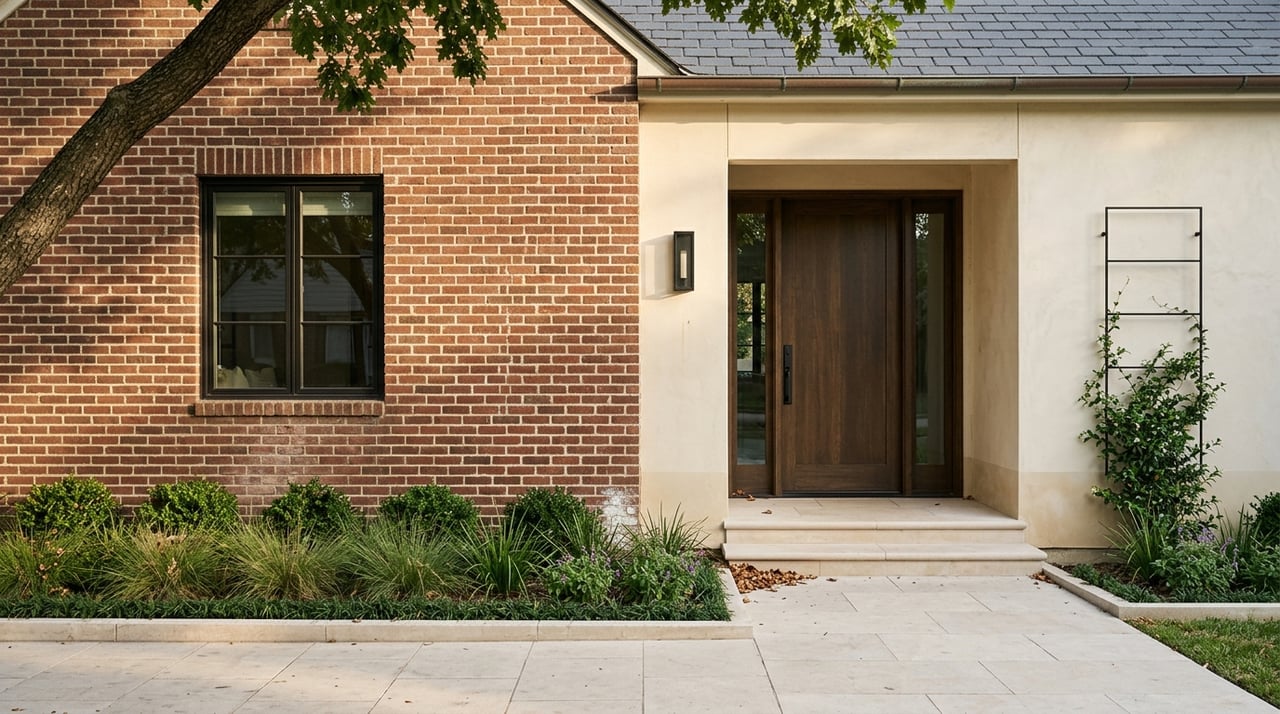
Trying to decide between a classic Lakewood home and new construction? In this neighborhood, that choice can shape not just how you live, but how much upkeep you take on, how much flexibility you have with updates, and what kind of design details you get to enjoy every day. If you are weighing charm against convenience in one of Dallas’ most distinctive areas, this guide will help you compare the tradeoffs with more confidence. Let’s dive in.
Why This Choice Matters in Lakewood
Lakewood is not a cookie-cutter market. It is a City of Dallas conservation district created to help protect the area’s architectural and cultural character, with adoption and amendments dating back to 1988 and Tract IV established on March 31, 2025.
That context matters because many homes here are much older than what you will find in other parts of Dallas. City materials put the average home age at 77 years, with many properties built between 1924 and 1949. You will see a wide mix of Tudor, Spanish Eclectic, French Eclectic, Colonial Revival, and Neoclassical homes, along with later Ranch, Mid-Century Modern, Contemporary, and new-traditional versions.
Lakewood also benefits from its setting near White Rock Lake, a 1,015-acre city lake about five miles northeast of downtown with trails, recreation facilities, and cultural amenities. For many buyers, the appeal is not just the house itself. It is the combination of architecture, location, and lifestyle.
Lakewood Prices at a Glance
Lakewood sits at a premium price point, so the classic-versus-new decision is rarely a small one. In May 2026, Realtor.com reported a median listing price of $1.795 million, with 76 homes for sale and a median 40 days on market. Redfin reported a median sale price of $1.618 million over the last three months and 24 days on market.
New construction in Lakewood is also expensive. Realtor.com showed a median new-construction listing price of $1.895 million, while Redfin showed 19 new homes for sale at a median listing price of $1.8 million. In other words, buyers are often paying at least a modest premium for newer systems, move-in-ready finishes, and lower near-term maintenance.
What Classic Lakewood Homes Offer
Architectural Character
If you are drawn to classic Lakewood, you are usually responding to details that are hard to recreate exactly. City conservation materials identify features such as balustrades, chimneys, stained or leaded glass, front porches, turrets, roof eaves, and original window and door openings as part of the neighborhood’s architectural vocabulary.
Many older homes also include masonry or wood siding, pier-and-beam foundations, and tile, slate, or composition roofs. Some retain balconies, courtyards, and original decorative elements that give the house a distinct personality from the moment you walk up.
For design-conscious buyers, that kind of character can be the deciding factor. A well-preserved older home often offers texture, craftsmanship, and a sense of place that feels deeply tied to Lakewood.
More Individuality
Classic homes often feel one-of-a-kind. Even when two homes share a broad style, the proportions, trim details, windows, and outdoor spaces can be quite different.
That individuality can be especially appealing if you want a home with a strong point of view rather than a more standardized layout or finish package. In a neighborhood known for historic styles, many buyers see that distinction as part of the value.
The Potential to Personalize Over Time
Older homes can also offer room to customize gradually. If you appreciate the idea of living with original character while making thoughtful updates over time, a classic home may fit that approach well.
That said, personalization in Lakewood is not always simple. Because some homes may be subject to conservation-district review, exterior changes can require more planning than buyers first expect.
The Tradeoffs of Classic Homes
More Maintenance and Systems Work
The biggest tradeoff with an older home is usually upkeep. The U.S. Department of Energy notes that many older homes have less insulation than homes built today, which can affect comfort and efficiency.
DOE recommends a home energy assessment before prioritizing insulation and air-sealing improvements. Its guidance also notes that window performance can sometimes be improved with caulk, weatherstripping, storm windows, or panels before full replacement is considered.
In practical terms, that means a classic Lakewood home may ask more of you after closing. You may love the architecture, but you should also be prepared for a more hands-on ownership experience.
Less Open Layouts
Older floor plans can feel more segmented than many buyers expect today. Historic homes often reflect the design priorities of their era, which can mean more defined rooms and a more formal flow.
If you want wide-open kitchen and living spaces, a classic home may require compromise or renovation. Some buyers love the separation, while others quickly realize they want a layout that feels more current.
Lead-Safety Questions in Older Homes
In Lakewood, many homes were built well before 1978, so lead-based paint is an important issue to keep in mind. The EPA says homes built before 1978 are more likely to contain lead-based paint, including 87% of homes built before 1940 and 24% of homes built between 1960 and 1978.
EPA also warns that renovation work in pre-1978 homes can create dangerous lead dust. If you are buying an older property and planning updates, it is wise to factor lead-safe renovation practices into your planning from the start.
What New Construction Offers in Lakewood
Modern Living With Local Style
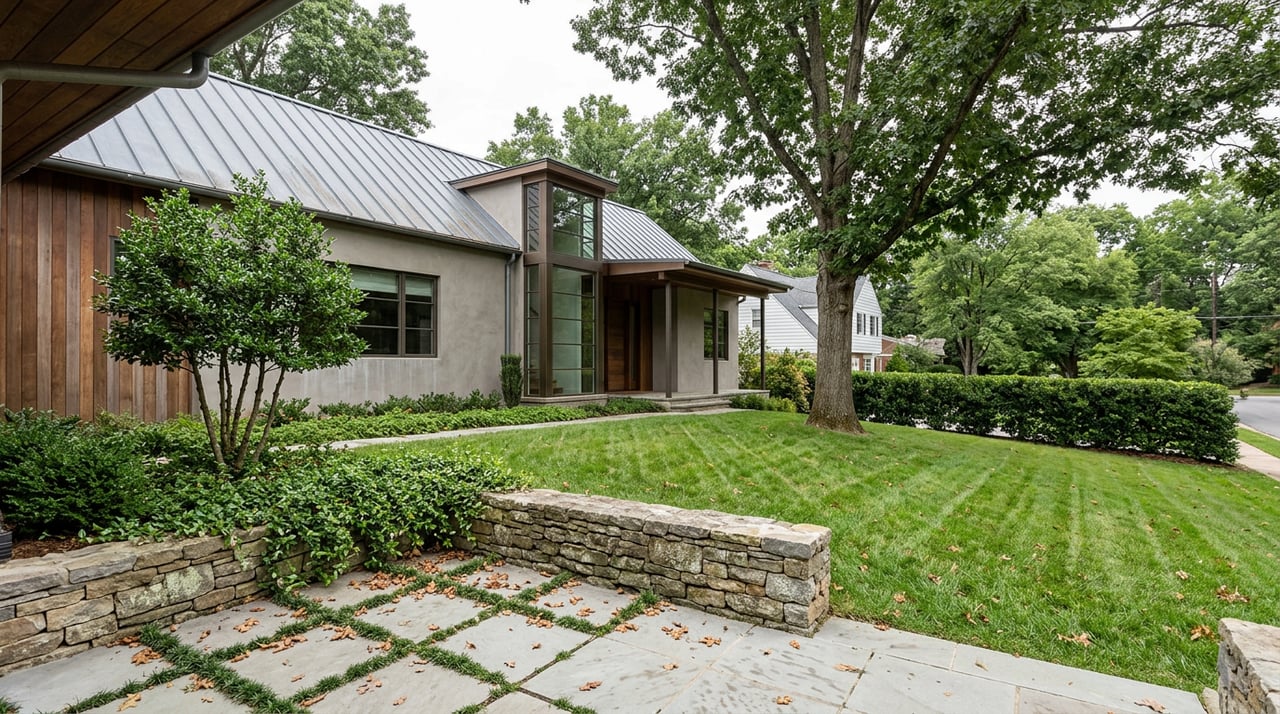
New construction in Lakewood does not always mean a generic new build. In many cases, it means style-compatible infill designed to work within the neighborhood’s established look.
City materials show that new-traditional versions of Tudor, Spanish Eclectic, French Eclectic, and Colonial Revival styles are part of the Lakewood landscape. The conservation-district standards also require new construction to comply with one of the contributing styles on the front and side facades using typical and compatible materials.
That can create an appealing middle ground. You may get the ease of a newer home while still buying into a streetscape that feels consistent with Lakewood’s identity.
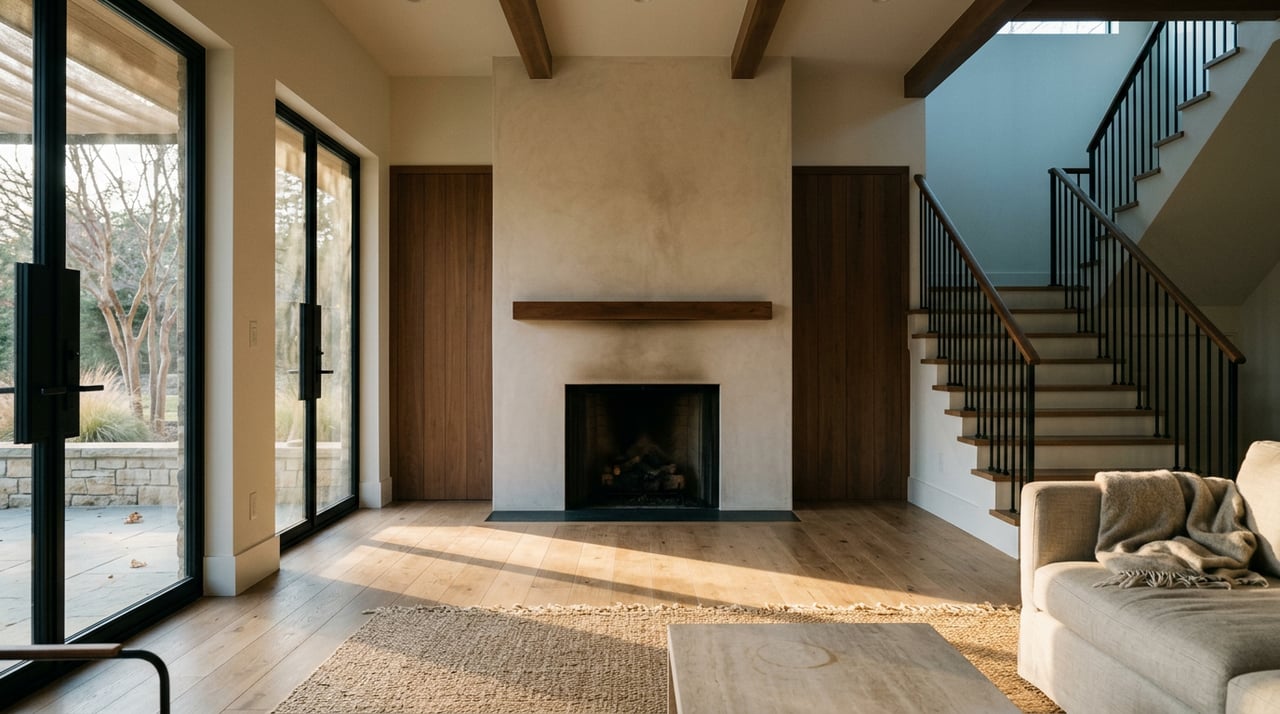
Open Layouts and Newer Systems
One of the biggest advantages of new construction is functionality. Nationally, buyers often choose new homes for open layouts, energy efficiency, warranties, and the ability to select finishes.
New homes can also more easily accommodate modern wiring, lighting plans, and security systems. If your priority is a move-in-ready home that supports how you live now, a newer build may check more boxes right away.
More Predictable Near-Term Costs
New construction usually comes with fewer immediate projects. While the upfront price may be higher, you are often paying for newer major systems and a lower chance of surprise replacements in the first several years.
Realtor.com reports that new-construction homes are often 10% to 15% higher in sales price than resale homes, but its 2026 Total Cost of Ownership analysis found that buyers of new homes can save an average of $25,335 over 10 years compared with buyers of 20-year-old homes due to lower utility bills and fewer major system replacements.
The Tradeoffs of New Construction
A Premium for Convenience
In Lakewood, the numbers suggest buyers do pay extra for turnkey living. The median new-construction list price sits slightly above the overall neighborhood median list price.
That premium may be worth it if you want less maintenance and greater predictability. Still, it is important to be clear-eyed about whether you are paying for features you truly value or simply responding to the appeal of something brand new.
Less Authentic Historic Detail
Even well-designed new construction can feel different from a truly original Lakewood home. Compatible materials and style references may echo the neighborhood, but they do not fully replace original craftsmanship or decades of architectural patina.
If authenticity matters most to you, a new home may feel polished but not quite as soulful. This is often the central tradeoff in Lakewood: convenience versus original character.
Renovation and Permit Questions to Ask
Before you buy, it is smart to understand what changes may be possible at that specific address. The City of Dallas requires a residential permit for construction, renovation, or major repairs, and its guidance notes that work in historic districts, conservation districts, and planned development districts can have additional requirements.
In Lakewood, conservation-district review can apply to additions, exterior remodels, new structures, windows, roofing, fences, and demolitions. That means two nearby homes may have different review considerations depending on the tract and the scope of work.
For buyers, this is one of the most important due diligence points in the neighborhood. If you are buying with plans to renovate, expand, or rework the exterior, you will want to understand those rules before you commit.
How to Decide Which Home Fits You
The right choice usually comes down to how you want to live, not just what style photographs best online. Both options can make sense in Lakewood, but they serve different priorities.
Choose a classic Lakewood home if you value:
- Original architectural detail
- A more distinctive, one-of-a-kind feel
- The idea of updating a home thoughtfully over time
- Historic character tied closely to the neighborhood’s identity
Choose new construction if you value:
- Lower-maintenance ownership
- More predictable energy performance
- Open layouts and newer systems
- A move-in-ready finish level
For resale, lot, location, condition, and finish level still matter most. In Lakewood, homes that respect the neighborhood’s design vocabulary are often more aligned with what local buyers expect, especially when updates preserve compatibility with the surrounding streetscape.
A Smart Lakewood Strategy
In a neighborhood like Lakewood, the best purchase is rarely just about old versus new. It is about matching the house to your lifestyle, your design preferences, and your tolerance for projects after closing.
If you love craftsmanship, texture, and architectural history, a classic home may be worth the extra planning. If you want ease, efficiency, and a cleaner ownership runway, new construction may offer better long-term comfort. The key is knowing what you are buying and what it will ask of you over time.
When you are comparing options in Lakewood, local context matters. Working with an advisor who understands neighborhood character, pricing, and design tradeoffs can help you make a choice that feels right both now and later. If you are thinking about buying or selling in Lakewood, Adrienne Brown offers thoughtful, design-minded guidance tailored to Dallas neighborhoods.
FAQs
What makes classic Lakewood homes different from new construction in Lakewood?
- Classic Lakewood homes often offer original architectural details, older floor plans, and more historic character, while new construction typically offers open layouts, newer systems, and lower near-term maintenance.
What is the typical price difference between classic and new Lakewood homes?
- In May 2026, Realtor.com reported a median Lakewood listing price of $1.795 million and a median new-construction listing price of $1.895 million, suggesting a modest premium for newer homes.
What should buyers know about renovating a Lakewood home?
- The City of Dallas requires permits for many residential projects, and some Lakewood properties may also be subject to conservation-district review for exterior work such as additions, windows, roofing, fences, and demolitions.
What are the maintenance concerns with older homes in Lakewood?
- Older homes may have less insulation, older systems, and potential efficiency issues, so buyers should plan for more upkeep and may want to evaluate energy improvements after purchase.
Why do some buyers choose new construction in Lakewood?
- Many buyers choose new construction for move-in-ready finishes, more modern layouts, energy efficiency, newer major systems, and a more predictable ownership experience in the first several years.