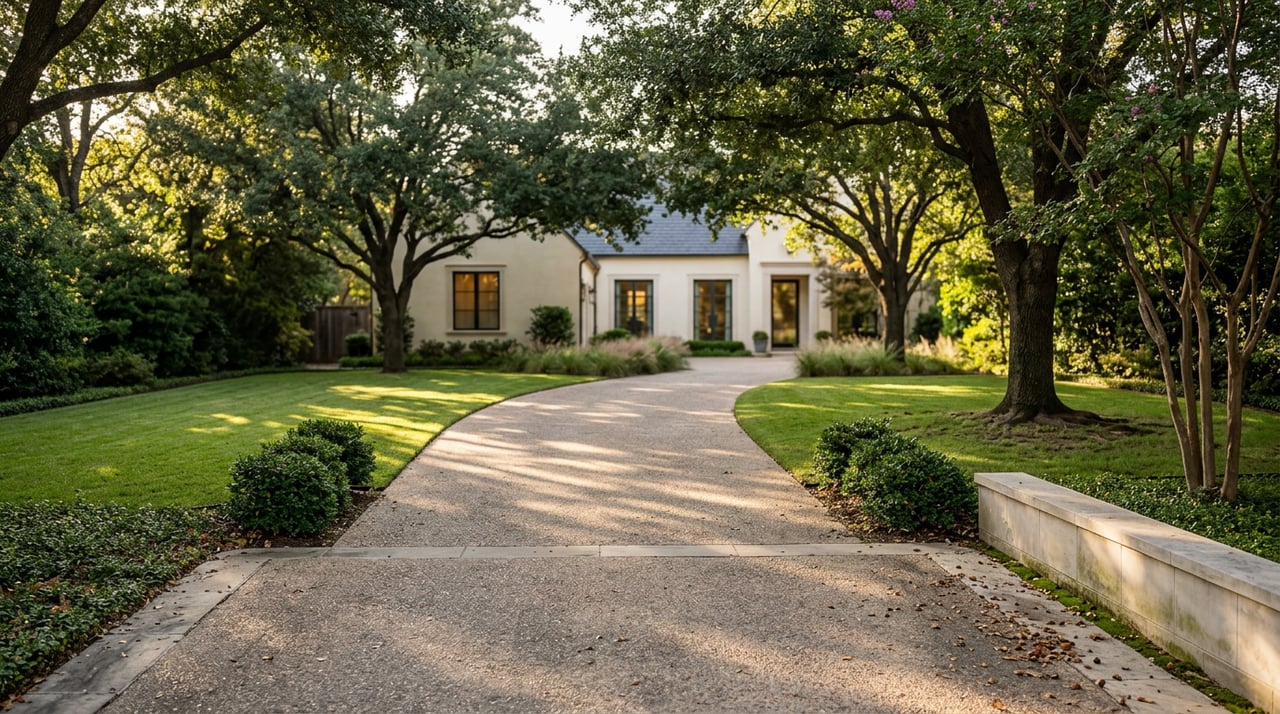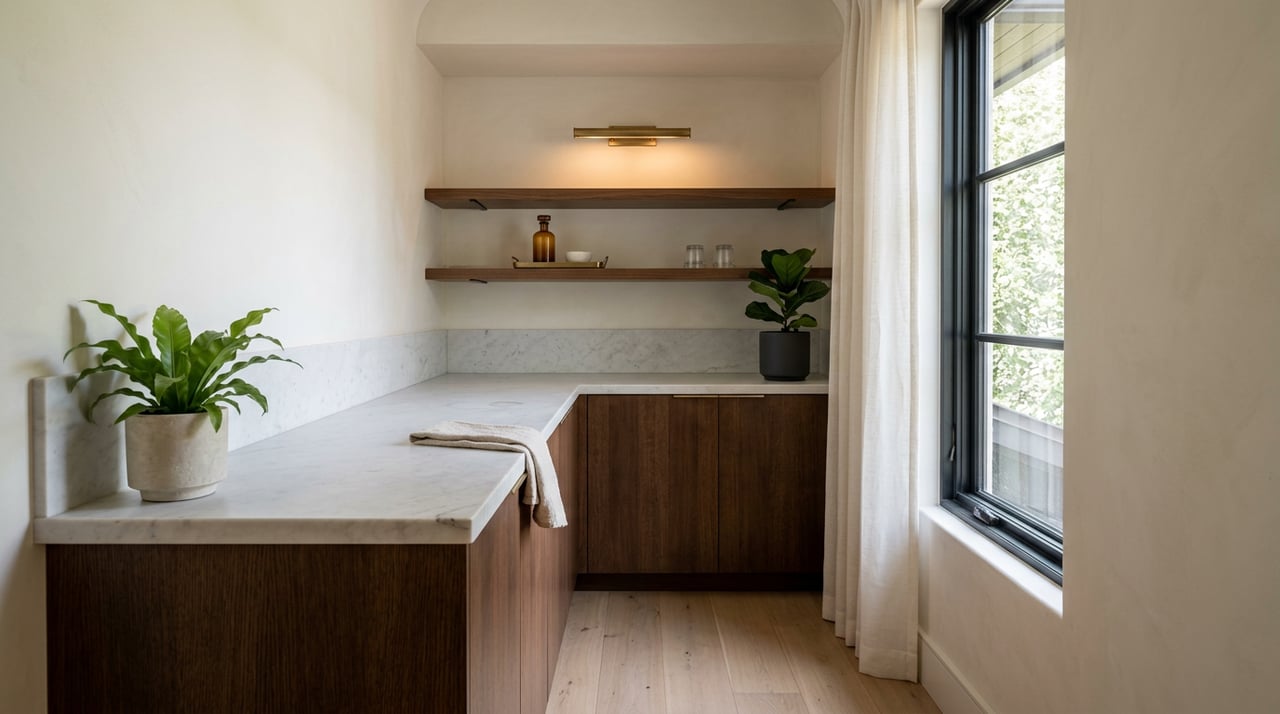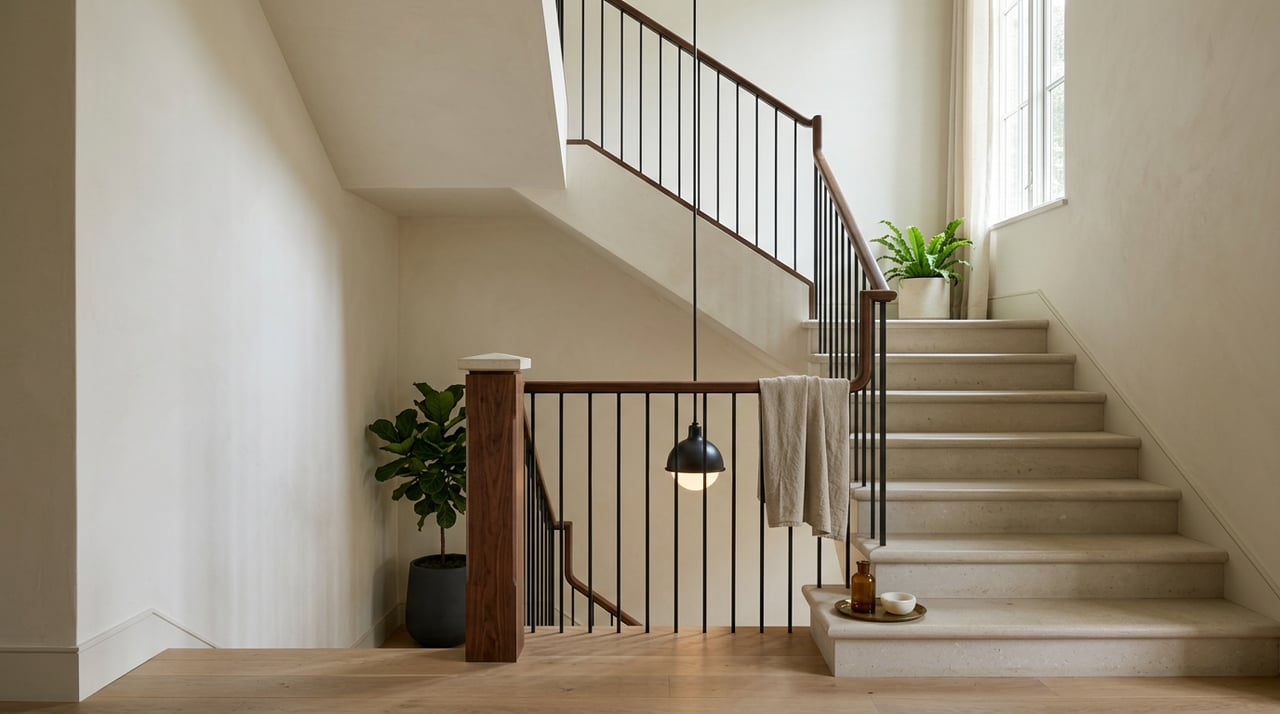
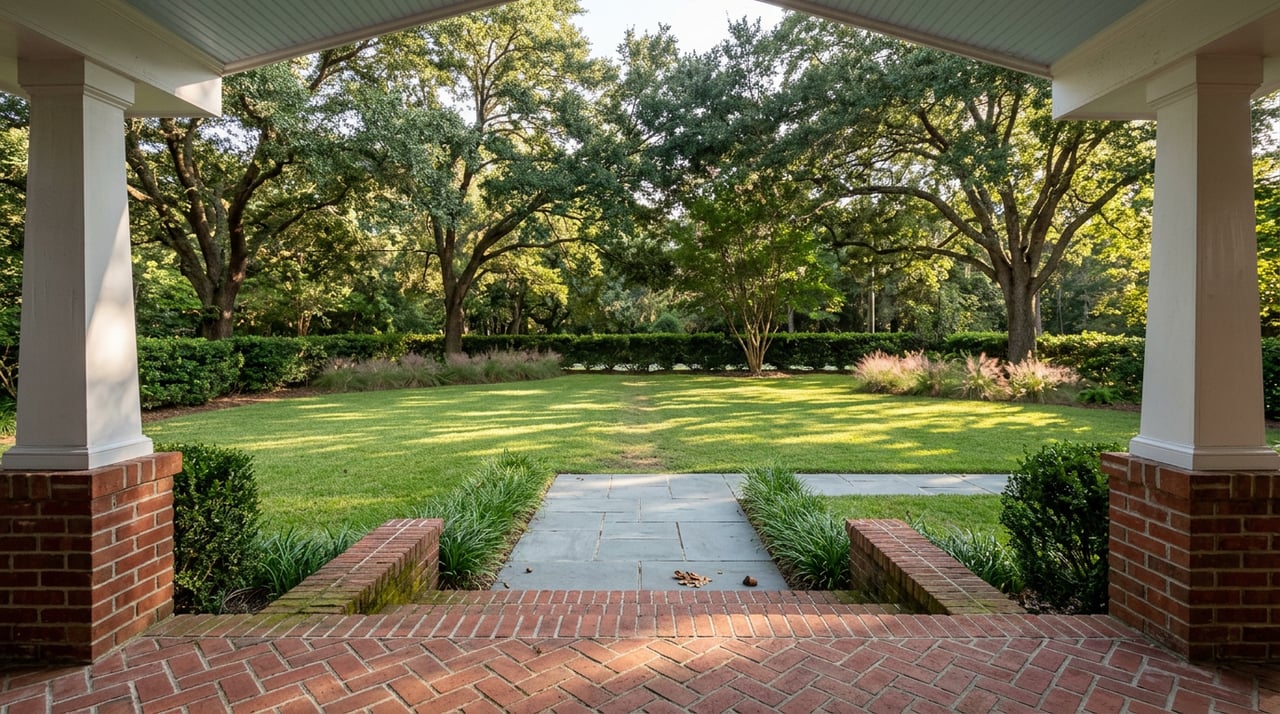
Picture two lots on the same block in Greenway Parks. Both sold within a few months of each other. Both are the same size, the same original 1940s footprint, the same asking price per square foot going in. One buyer closes, demolishes, and has a builder framing walls within ten weeks. The other buyer closes, submits drawings to their architect, and is still waiting on a first round of comments five months later with nothing built.
Nothing about the second lot was defective. The difference was paperwork that has nothing to do with the buyer's HOA and everything to do with the City of Dallas.
The Median Is Telling You Less Than You Think
If you've been watching Greenway Parks from a portal, you've probably noticed the price data doesn't hold still. One national home-search platform pegged the neighborhood's median sale price at roughly $1.33 million as of May 2026, up nearly 39 percent from a year earlier. A different tracker's snapshot for June 2026 put the median list price at $865,000, down 21 percent from the month before and down 21 percent from June of last year. A third site's trailing twelve-month figure landed closer to $1.25 million, and a fourth showed a single recent 30-day window with only three active listings and zero closed sales.
None of these numbers are wrong. They're measuring the same tiny neighborhood, roughly 300 homes total, at different points in a cycle that moves in fits and starts rather than smoothly. When a market this small produces a sale, that one transaction can swing the median 20 to 30 percent in either direction. The volatility isn't noise to filter out. It's the most honest thing the data is telling you.
Two Kinds Of Sale Are Colliding In The Same Small Pool
Greenway Parks sells two different products under one neighborhood name. The first is land value: a 1940s or 1950s ranch or Tudor bought specifically to be torn down, priced closer to what the 0.2 to 0.4 acre lot is worth than what the existing house is worth. The second is a finished custom rebuild, roughly 3,500 to 5,000 square feet of new construction on that same size lot, priced at the top of the range.
When a handful of land-value teardowns close in the same month as one or two finished luxury rebuilds, the median jumps around because you're averaging two different markets that happen to share a zip code. This is not unique to Greenway Parks. What is unique is how long it takes a torn-down lot to reappear on the market as a finished house, and that lag is where the real story lives.
Why The Rebuild Side Takes Longer To Reach The Market
Greenway Parks became Conservation District No. 10 within the City of Dallas in May 2003, and the neighborhood was entered into the National Register of Historic Places in January 2008. Both designations exist to protect the architectural character of a neighborhood platted in 1927 as the city's first pedestrian-oriented residential development. For a buyer, what that means in practice is that new construction, additions, and exterior remodels in Greenway Parks go through a city design review before a building permit is issued, separate from and in addition to the neighborhood's own homeowners association approval.
The City of Dallas publishes the exact submittal requirements for this review, and they are more involved than a typical permit application. A project in Greenway Parks needs:
- Elevations labeled north, south, east, and west, with fully dimensioned plan drawings at a standard scale showing existing conditions alongside what's proposed
- Five to seven photographs of the front facade and each side property line, taken from the city sidewalk or right of way
- A site plan showing the location and dimensions of any additions or new structures
- For retaining walls specifically, scaled elevations including the footer below grade and the wall height above grade
Every one of these documents goes to Planning and Urban Design staff for review before the Building Official issues a permit. A buyer comparing Greenway Parks to a neighborhood without this layer isn't just comparing price per square foot. They're comparing a one-step approval process to a two-step one, and the second step has its own timeline that a general contractor's bid rarely accounts for.
The Standards Are Not Frozen
It's tempting to treat conservation district rules as fixed, something you can research once and build against for years. That's not how it has worked here. In November 2017, a committee of ten Greenway Parks property owners submitted a formal request to the City to begin the process of amending the district's development standards. That kind of petition doesn't happen in a neighborhood where the rules never move.
The practical takeaway for a buyer is not that the standards are unstable. It's that the standards your architect designs against need to be the current version, confirmed with the City's Planning and Urban Design office, not whatever a neighbor's 2019 addition happened to comply with. A design that would have sailed through five years ago is not guaranteed to sail through today.
There's a design lineage baked into what gets approved here, too. The neighborhood's original architects, among them O'Neil Ford, Howard Meyer, Charles Dilbeck, John Aston Perkins, and Ralph Bryan, set a visual standard that spans seven decades of Tudor Revival, Colonial Revival, Ranch, and Mid-Century Modern work. Reviewers and neighbors alike measure new proposals against that range, which is part of why the design conversation in Greenway Parks tends to be more particular than in a newer subdivision with no architectural history to answer to.
What This Means If You're Comparing Greenway Parks To Its Park Cities Neighbors
Greenway Parks sits directly against the boundary of both Highland Park and University Park, bordered by the Dallas North Tollway on the east, Mockingbird Lane on the south, Inwood Road on the west, and University Boulevard on the north. Residents are minutes from Inwood Village and Highland Park Village, and the price gap between a Greenway Parks lot and a comparable Highland Park lot has always read, on a portal, as pure discount.
It isn't pure discount. Part of that gap is the market pricing in approval friction that Highland Park and University Park buyers, working with their own city processes, experience differently. A buyer choosing Greenway Parks for the lower entry point needs to budget the conservation district review into the project timeline the same way they'd budget for a soils report or a survey. Skip that step in the planning and the savings on the lot can disappear into carrying costs during a permit delay nobody priced in.
For a buyer trying to figure out whether a specific lot is priced for dirt or priced for a livable house, the conservation district status is the variable that explains more than the median ever will.
A Few Questions Worth Asking Before You Write An Offer
Does every renovation need conservation district review, or only full rebuilds? The City's submittal requirements apply to additions, exterior remodels, and new structures within Greenway Parks, not just complete teardowns. A significant addition or a facade change can trigger the same review process as new construction.
Is HOA approval the same thing as conservation district approval? No. They are two separate reviews run by two separate bodies, the Greenway Parks Homeowners Association and the City of Dallas Planning and Urban Design department. Passing one does not mean you've passed the other.
Where do I check the current standards before finalizing architectural drawings? The City of Dallas Planning and Development office maintains the current conservation district ordinance and submittal checklist for Greenway Parks. Given that neighborhood-led amendment requests have happened before, this is worth confirming directly rather than assuming a recent neighbor's project reflects today's requirements.
Greenway Parks rewards a buyer who does the homework before the lot closes, not after. If you're weighing a teardown here against a comparable move in Highland Park or University Park, or you want a second opinion on whether a specific lot's price reflects its land value or its build-out potential, Longoria Brown Homes is a good place to start that conversation. Let's Connect.