Pull three real estate sites this summer and ask each one the same question: what did a home in Highland Park sell for lately? You'll get three different answers. One site's rolling three month window through May 2026 puts the median at $2.3 million. Another calls the average sale price closer to $3 million for the most recent month. A third, using June 2026 alone, reports $4,097,500. None of these numbers are wrong. They're measuring three different pools of homes, over three different windows, in a town where only a few dozen properties change hands in any given month.
That gap matters more than it looks. If you're comparing Preston Hollow to Highland Park using whatever median price you found first, you're not comparing two neighborhoods. You're comparing two random samples that happen to share a zip code's reputation. The number that actually explains what separates these markets isn't the median at all. It's something steadier: how much land your dollar buys, and which few streets inside Preston Hollow quietly behave like Highland Park because of a school district line most buyers never think to check.
Why the same season can produce three different prices
Preston Hollow tells a similar story from a single source. Redfin's own February 2026 data for the neighborhood showed the median sale price up 15.6 percent year over year, while median price per square foot for those same homes fell 31.6 percent over the same period. Days on market nearly doubled, from 39 to 81, and only 30 homes sold that month compared to 42 the year before.
A market doesn't get more expensive and cheaper at the same time. What happened is smaller and less dramatic: fewer, larger, higher priced homes closed that month, which lifted the total sale price while dragging down the price per square foot, because bigger houses tend to cost less per square foot even when they cost more overall. With only 30 closings, a single estate sale or a single absence of one can swing every headline number in a different direction.
Highland Park runs on an even thinner pool. Twenty seven homes sold in May 2026 alone. Fifty sold in June. A market that small doesn't need a real shift in buyer demand to post a 32 percent price swing. It just needs a different mix of houses to close in a given month.
Douglas Elliman's fourth quarter 2025 micro market data makes the composition problem visible in one place. In that same reporting window, Highland Park averaged $5,515,846 in sale price at $835 per square foot. University Park came in at $5,118,163 and $767 per square foot. Midway Hollow, a close in North Dallas pocket a few miles from both, averaged $2,210,476 and just $448 per square foot. That's nearly a two to one gap in price per square foot across neighborhoods separated by a short drive. The report itself is consistent. The idea that any single label covers one price is not.
Here's a side by side of what the two headline neighborhoods actually reported, and when:
| Metric | Preston Hollow (Redfin) | Highland Park (Redfin) |
|---|---|---|
| Median sale price | $2.2M, up 15.6% YoY (Feb. 2026) | $2.3M, down 32.2% YoY (3 mo. ending May 2026) |
| Price per square foot | $336, down 31.6% YoY (Feb. 2026) | $782, down 3.8% YoY (3 mo. ending May 2026) |
| Homes sold | 30, down from 42 (Feb. 2026 vs. Feb. 2025) | 27, down from 29 (May 2026 vs. May 2025) |
| Days on market | 81, up from 39 (Feb. 2026 vs. Feb. 2025) | 16, down from 43 (May 2026 vs. May 2025) |
Read across that table and the neighborhoods look like they're moving in opposite directions on nearly every line. They're not. They're both small markets producing noisy monthly numbers, and the noise happens to point different ways in the same season.
The number that actually holds still: land
While price data jumps from report to report, lot size doesn't move nearly as much, and it's the more honest way to compare what your money buys in each place.
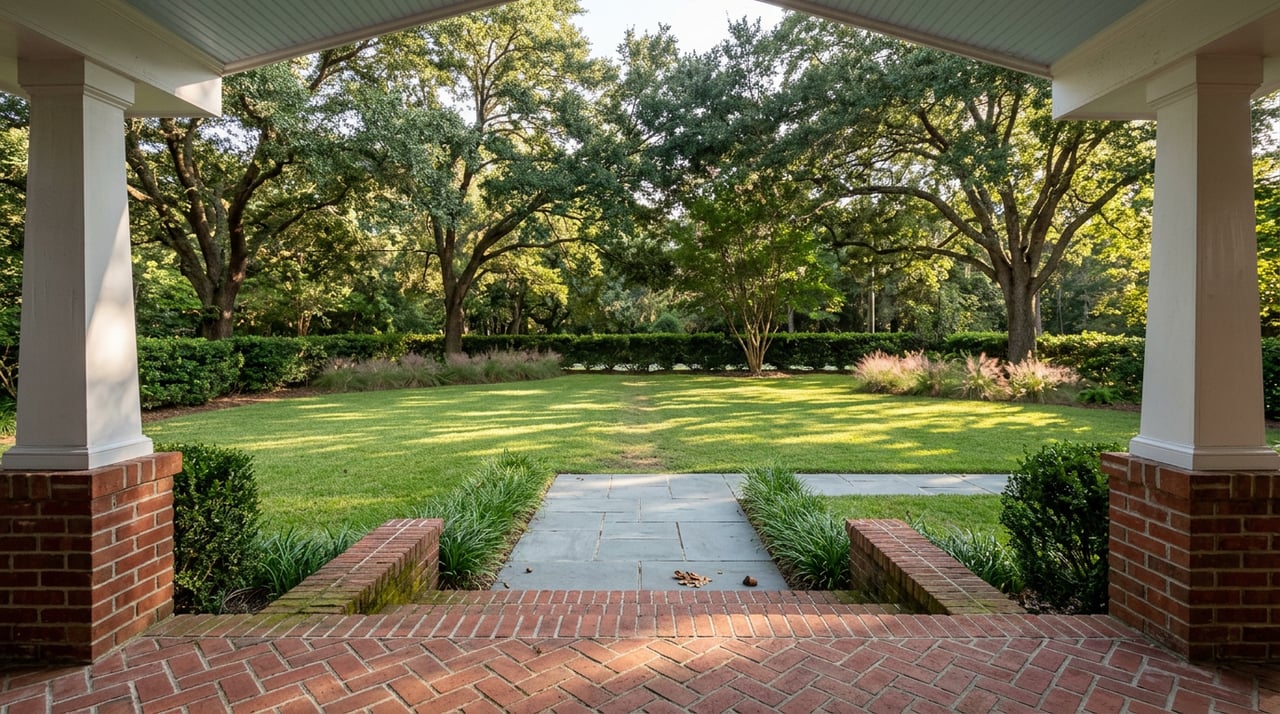
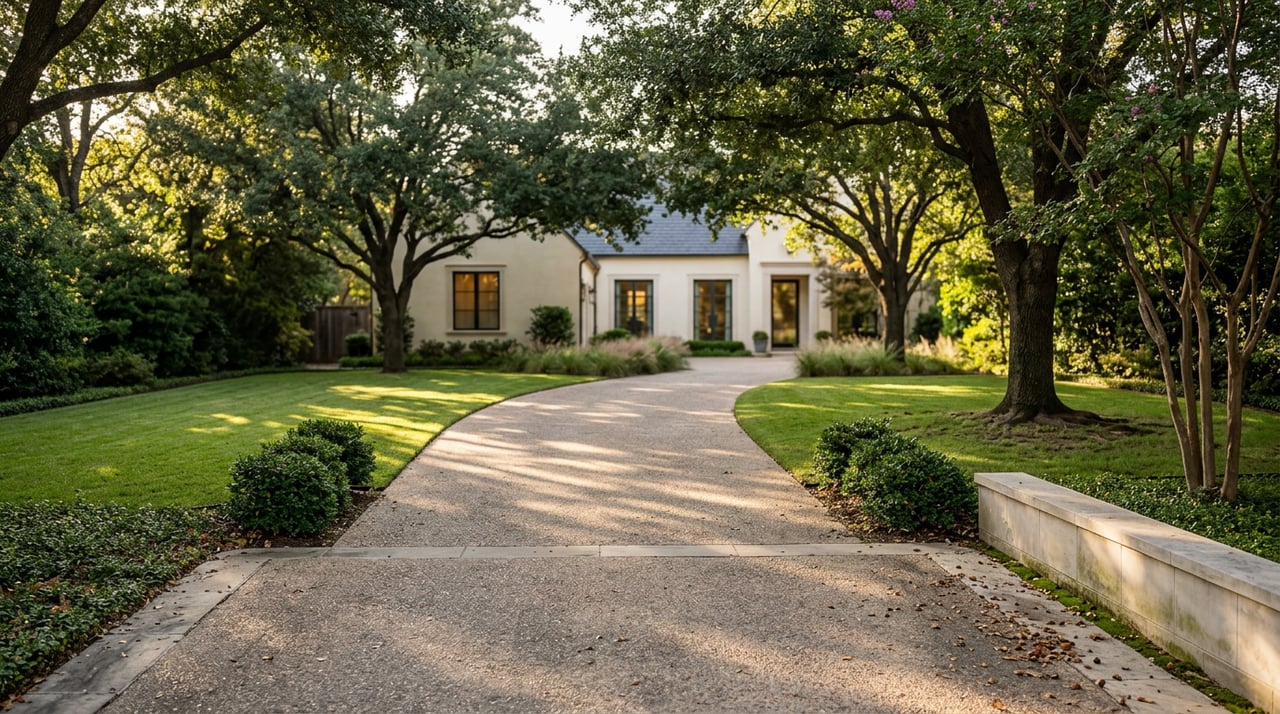
Highland Park was platted earlier and more densely than Preston Hollow, and most lots run in the 8,000 to 12,000 square foot range as a result, though a handful of streets like Beverly Drive push past an acre. Preston Hollow sits inside the city of Dallas rather than as its own town, and that difference in governance shows up directly in the dirt. Standard lots there commonly run half an acre to two acres, with the estate pockets of Old Preston Hollow, Strait Lane, and Volk Estates regularly reaching multiple acres.
That's the trade a lot of buyers make without fully clocking it. Pay Highland Park's price per square foot and you're largely paying for the house and the address, since the land underneath is comparatively small and fixed. Pay Preston Hollow's often lower per square foot rate and you're frequently buying two to four times the yard for a similar sized house, along with room for a pool, a guest structure, or a rebuild that a tighter Highland Park lot can't support.
The pocket inside Preston Hollow that behaves like Highland Park
Not all of Preston Hollow sits outside Highland Park ISD, and this is the part that changes the comparison from neighborhood versus neighborhood to street versus street.
A specific section of Preston Hollow, generally east of the Dallas North Tollway and south of Walnut Hill Lane, falls inside Highland Park ISD boundaries, the same district that serves Highland Park and University Park. The rest of the neighborhood, the larger share, is zoned to Dallas ISD, and many of those families choose nearby private schools instead of relying on district assignment.
That HPISD sliver inside Preston Hollow reportedly commands a premium over otherwise comparable Dallas ISD zoned homes in the same neighborhood, estimated at $200,000 to $500,000 or more. Entry into HPISD through that Preston Hollow pocket runs roughly $1.5 million to $2 million, which lands close to what buyers pay for the smallest HPISD entry points in Highland Park itself, near the condos and compact homes around Mockingbird Lane. University Park remains the cheaper door into the same district, with SMU area cottages sometimes available closer to $700,000.
In other words, the real dividing line for school access doesn't run cleanly between Preston Hollow and the Park Cities. It runs through the middle of Preston Hollow, and it's worth knowing exactly where before you assume a listing is priced for its lot or priced for its district.
What this means before you write an offer
A median price is a fine starting point and a poor stopping point in either of these markets. A few habits make the comparison more useful:
- Ask what window a stat covers. A single month and a trailing three month figure can tell different stories about the same weeks.
- Ask how many homes actually sold in that window. Under thirty sales a month means one large or small closing can move the median by double digit percentages without any real shift in demand.
- Compare price per square foot at the block or pocket level rather than the neighborhood level. The gap between Highland Park and Midway Hollow inside the same appraisal quarter was nearly two to one.
- If HPISD access matters to your search inside Preston Hollow, confirm the boundary for the exact address rather than assuming the whole neighborhood carries the same zoning.
A couple of questions worth settling early
Is all of Preston Hollow zoned to Highland Park ISD? No. Only a section generally east of the Dallas North Tollway and south of Walnut Hill Lane falls inside HPISD. The larger share of the neighborhood is zoned Dallas ISD, and many families there send children to nearby private schools instead.
Why do different real estate sites show different prices for the same neighborhood in the same season? Because they're pulling from different time windows, whether a single month or a rolling three month average, in markets where only a couple dozen homes close in any given period. A different mix of sales, not a different market, usually explains the gap.
Numbers like these are useful once you know what's actually feeding them. If you're weighing Preston Hollow against Highland Park, or trying to figure out which few streets inside either one match what you actually want in land, schools, and privacy, that's the kind of block by block reading a portal median can't give you. Longoria Brown Homes works both markets closely enough to walk through the specific pocket you're considering, not just the headline. Let's Connect.