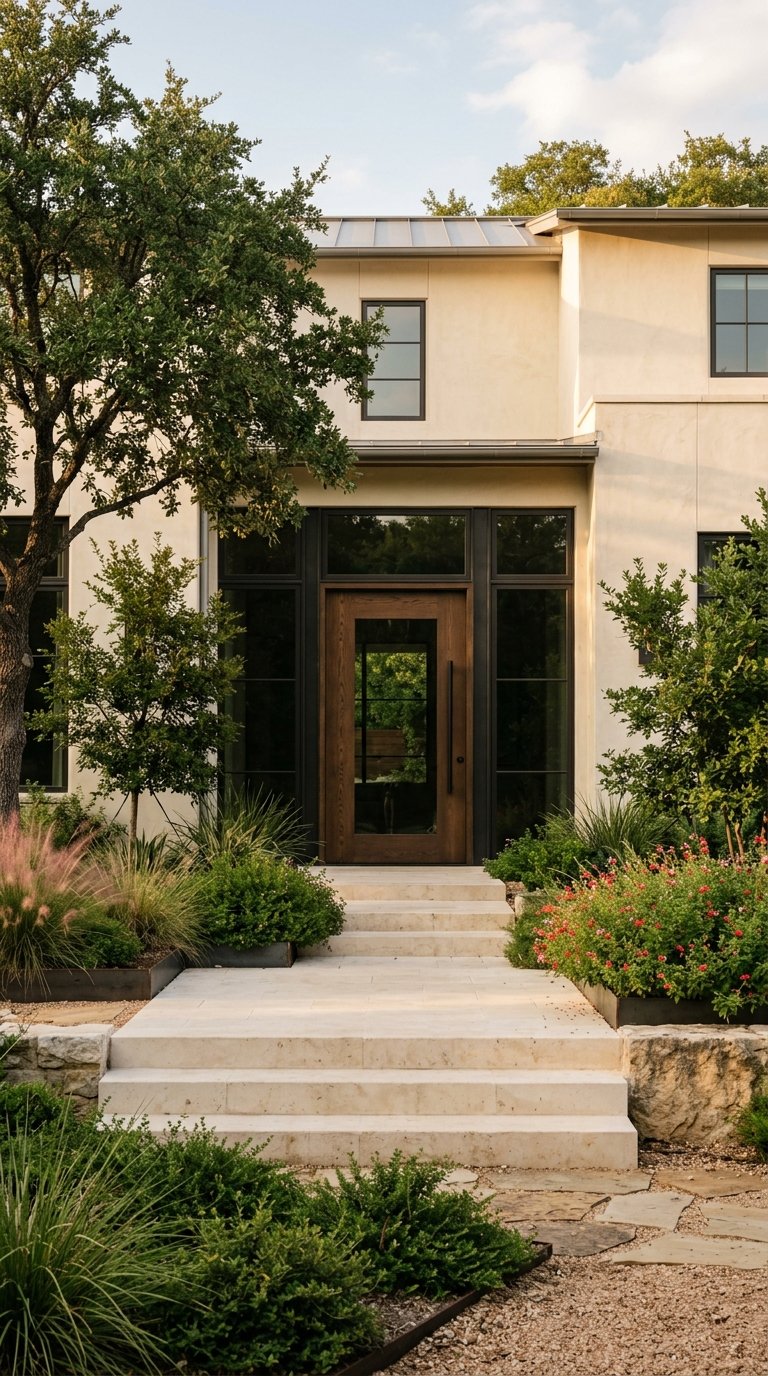
Wondering whether Lake Highlands belongs on your Dallas home search? You are not alone. For many buyers, this part of Northeast Dallas stands out because it offers established homes, strong outdoor access, and several distinct neighborhood pockets instead of one one-size-fits-all experience. If you want to understand how Lake Highlands really feels block by block, this guide will help you compare the area with more confidence. Let’s dive in.
Why Lake Highlands Feels Different
Lake Highlands is not just one neighborhood in the way many buyers expect. The City of Dallas places it within the Lake Highlands and Far Northeast Dallas planning area, and local maps show multiple distinct pockets such as Old Lake Highlands, White Rock Valley, L Streets, Town Creek, Whispering Hills, Lake Ridge Estates, Merriman Park North, Peninsula, White Rock, St. Andrews, and Chimney Hill.
That matters because your experience can change quite a bit depending on where you buy. One pocket may feel more established and residential, while another may offer easier access to transit, shops, or newer mixed-use development. In Lake Highlands, buyers usually do best when they compare specific sections rather than treating the whole area as one uniform market.
Lake Highlands Housing Styles
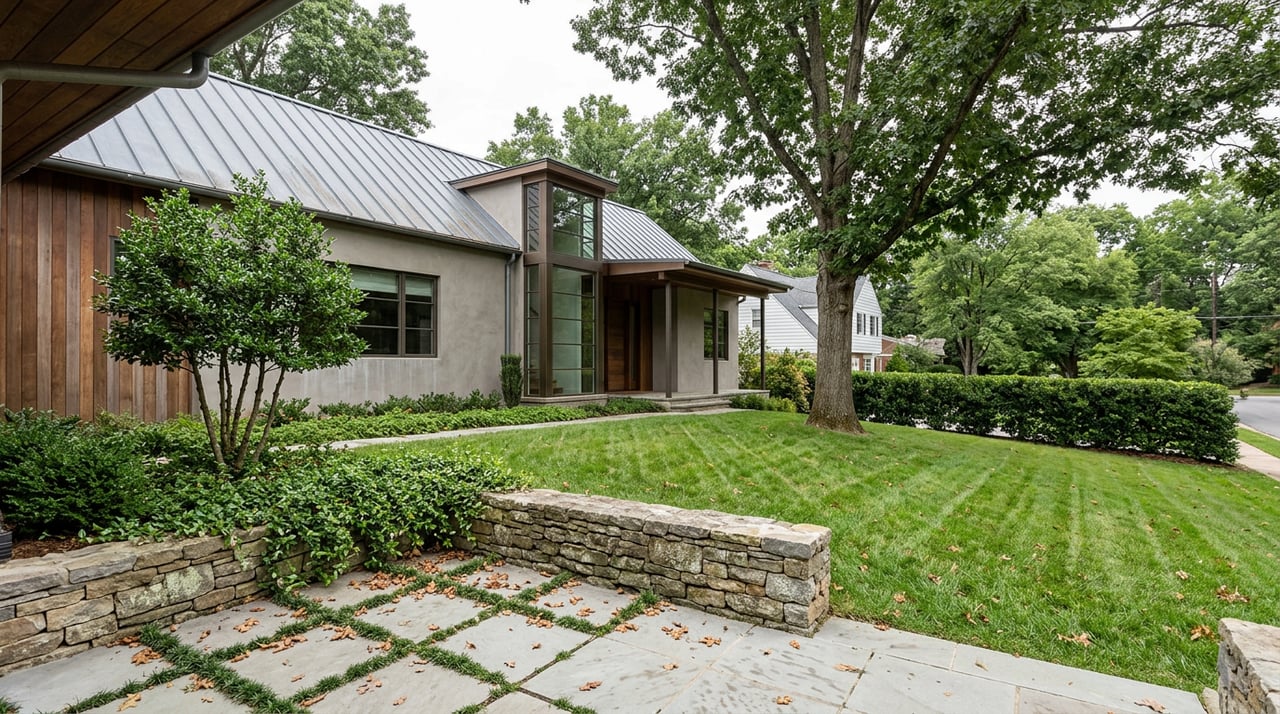
The area’s housing stock is largely postwar and mid-century in character. Much of the neighborhood’s early growth began in the 1950s and continued into the early 1970s, which helps explain why you will often see ranch-style homes, traditional layouts, mature trees, and larger established lots.
You will also find meaningful variation in condition and presentation. Some homes remain closer to their original design, while others have been expanded, fully renovated, or rebuilt. Near transit and commercial corridors, there is also a smaller but important mix of apartments, condos, and townhomes.
For buyers, that creates a wide search range. You may be comparing a classic mid-century home with renovation potential, an updated traditional home with modern finishes, or a more convenience-oriented property near a station area.
Old Lake Highlands
Old Lake Highlands is one of the area’s best-known pockets for buyers who want an established feel. The neighborhood association describes about 1,700 homes across five internal zones, with a greenbelt perimeter and a mix of original 1950s homes, major renovations, and rebuilds.
This part of Lake Highlands often appeals to buyers who value mature landscaping, elevation changes, and a strong neighborhood identity. It is also one of the clearest examples of how Lake Highlands can combine older Dallas character with long-term improvement and reinvestment.
White Rock Valley
White Rock Valley has a residential, park-connected feel that many buyers notice right away. The neighborhood association highlights nearby access to White Rock Creek Trail, White Rock Lake, White Rock Stables, and Flag Pole Hill.
For homebuyers, this pocket often stands out because it feels tied to everyday outdoor living. If you picture morning walks, bike rides, or quick access to larger green spaces, White Rock Valley is usually one of the Lake Highlands areas worth a closer look.
Skillman Corridor and Station Areas
The Skillman corridor and the areas around Lake Highlands Station feel different from the more traditional single-family pockets. According to DART, Lake Highlands Station is near apartment communities, dining, Lake Highlands Town Center, and additional housing, with a trail connection between the station and the development.
This gives that part of the neighborhood a more mixed-use, convenience-oriented feel. If you want easier access to daily errands, transit options, or newer residential formats, this section of Lake Highlands may fit your lifestyle better than the older interior pockets.
Outdoor Access Is a Major Draw
One of Lake Highlands’ strongest advantages is its connection to parks and trails. White Rock Lake is a major Dallas destination with a 1,015-acre lake, a 9.33-mile hike-and-bike trail, boating, picnic areas, a dog park, and access to the Dallas Arboretum.
Beyond the lake itself, the broader trail network adds a lot to daily life. White Rock Creek Trail links multiple parks in the greenbelt and connects to White Rock Lake, while the Lake Highlands Trail runs from White Rock Creek Trail to Ferndale Road.
There are also more recreation options nearby. Harry S. Moss Park includes a 5.46-mile mountain bike trail along White Rock Creek, and Lake Highlands North Recreation Center offers a pool, sprayground, tennis, trails, and park space.
If outdoor access matters to you, Lake Highlands tends to compare well with many Dallas neighborhoods at similar price points. The area can feel more active and recreation-forward, especially if your routine includes walking, running, biking, or time in the park.
Commute and Transit in Lake Highlands
Lake Highlands is still primarily a drive-first area, but transit plays a meaningful supporting role. Redfin rates the neighborhood at 44 out of 100 for walkability, 41 out of 100 for transit, and 46 out of 100 for bikeability.
In practical terms, that means you should not expect a dense urban, car-free lifestyle. At the same time, DART access gives some buyers more flexibility than they would find in many other established Dallas neighborhoods.
DART Access to Know
White Rock Station is served by the Blue Line and provides access toward downtown Dallas and downtown Garland. LBJ/Skillman is also on the Blue Line and includes parking and bus connections.
Lake Highlands Station sits near Walnut Hill and White Rock Trail, with a direct trail link to Lake Highlands Town Center. For buyers who want the option to mix driving with transit, these stations can be a real plus.
Why Micro-Markets Matter Here
Lake Highlands is one of those Dallas areas where two homes with the same bedroom count can feel very different in value. Pocket location, renovation quality, lot characteristics, and proximity to trails, the lake, or station areas can all shift buyer demand.
Recent market data reflects that variation. Redfin reports a median sale price of $643,761 for the three months ending April 2026, with homes selling in an average of 36 days and 22.7% closing above list price. Recent sale prices on the same source ranged from $349,999 to $570,000, which shows how much differences in property type and condition can matter.
For many buyers, the strongest premiums are often tied to renovated single-family homes, favorable location within a specific pocket, and convenient access to outdoor amenities or transit nodes. That is why local guidance can be especially valuable in Lake Highlands.
School Boundary Verification Matters
School zoning is one of the biggest details to confirm before you buy in Lake Highlands. This is not a one-zone neighborhood.
Richardson ISD notes that the broader Lake Highlands attendance area includes multiple elementary schools and two junior highs that feed Lake Highlands High School. At the same time, Dallas ISD’s Highland Meadows Elementary states that it serves the Lake Highlands area, and local neighborhood groups also reference schools such as White Rock Elementary in RISD and Hexter Elementary in Dallas ISD.
The key takeaway is simple: verify the assigned schools at the address level before making a decision. In Lake Highlands, school boundaries can vary meaningfully from one pocket to the next.
Who Lake Highlands May Suit Best
Lake Highlands often makes sense for buyers who want established Dallas character without giving up access to recreation and practical commuting options. It can be a strong fit if you value mature trees, neighborhood identity, and the chance to choose between classic single-family streets and more convenience-oriented areas near transit.
It may also appeal to buyers who appreciate homes with renovation potential. Because the area includes many mid-century properties, some buyers are drawn to the opportunity to personalize a home over time while staying in an established part of Dallas.
When Lake Highlands May Not Be the Best Fit
No neighborhood works for every buyer. If you want a highly walkable, dense urban environment where most errands happen on foot, Lake Highlands may not deliver that experience.
It may also feel less straightforward if you want a neighborhood with one simple school pattern or one consistent housing style. Here, the search usually rewards careful, pocket-by-pocket evaluation.
If you are considering Lake Highlands alongside other Dallas neighborhoods, the right question is not just, “Do I like Lake Highlands?” It is, “Which part of Lake Highlands fits the way I want to live?”
A well-planned search can help you answer that clearly. If you want thoughtful guidance comparing Lake Highlands with other Dallas neighborhoods, Adrienne Brown can help you evaluate location, housing style, and long-term fit with a calm, informed approach.
FAQs
What kind of homes are common in Lake Highlands for Dallas buyers?
- Lake Highlands is known for largely postwar and mid-century housing, including original ranch homes, renovated traditional homes, rebuild opportunities, and some condos, townhomes, and apartments near transit and commercial corridors.
What makes Lake Highlands different from other Dallas neighborhoods?
- One of the biggest differences is that Lake Highlands functions as a collection of micro-markets, with distinct pockets that can vary in housing style, outdoor access, school assignments, and overall feel.
Is Lake Highlands a good fit for buyers who want parks and trails?
- Yes. The area benefits from close access to White Rock Lake, White Rock Creek Trail, the Lake Highlands Trail, Harry S. Moss Park, and Lake Highlands North Recreation Center.
Is Lake Highlands walkable for everyday living in Dallas?
- Lake Highlands offers some walkability and transit access, but it remains mostly a drive-first neighborhood rather than a dense, highly walkable urban environment.
Do Lake Highlands homes fall into one school zone?
- No. School assignments can vary across the area, so buyers should verify zoning by address before purchasing a home.
Why do home prices vary so much in Lake Highlands?
- Pricing can shift based on the specific pocket, the home’s condition and renovation level, lot quality, and access to features such as White Rock Lake, trails, or DART stations.